
Description
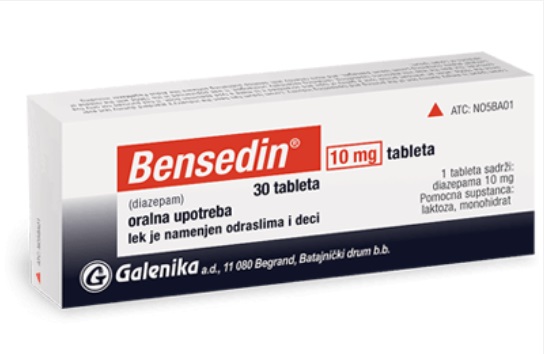
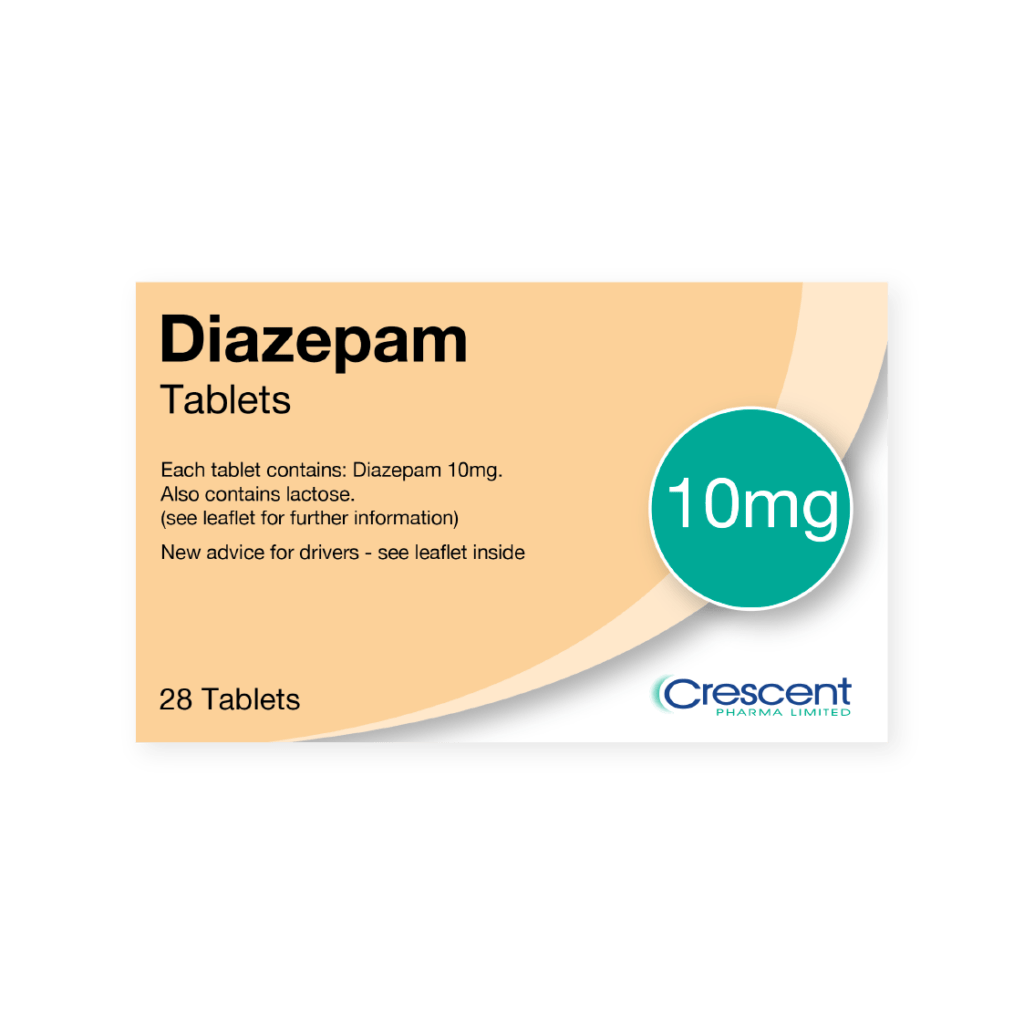
BUY DIAZEPAM 10mg CRESCENT UK
Diazepam is a benzodiazepine medicine used for short-term relief of severe anxiety, muscle spasm, certain seizure emergencies, and alcohol withdrawal (when prescribed and monitored). It works by enhancing the effect of GABA, a calming neurotransmitter in the brain.
Key facts :
| Item | Details |
|---|---|
| Common tablet strengths | Often 2mg, 5mg, 10mg (varies by pack) |
| Onset / duration | Onset can be within ~30–60 minutes; effects may last many hours |
| Typical treatment length | Usually short-term; longer courses increase dependence risk |
| Extra caution | Older adults, respiratory conditions, liver disease, sleep apnoea, history of substance use disorder |
Uses
Your prescriber chooses diazepam when benefits outweigh risks. Common reasons include:
Severe anxiety (short-term) when non-drug measures or safer options aren’t sufficient
Muscle spasm and spasticity (short courses)
Alcohol withdrawal symptoms under medical supervision
Seizure management (specific indications, sometimes different formulations)
Good practice: Ask your clinician about the plan for duration, review date, and how tapering will be handled if used beyond a few days.
Typical dosing ranges (informational) {#dosing}
Dosing depends on your condition, age, liver function, and other medicines. Only follow the dose on your prescription label. The ranges below are general references and may not apply to you.
Dosing table:
| Indication | Typical adult range | Notes |
|---|---|---|
| Anxiety (short-term) | Often 2–10mg, up to 2–4 times daily | Aim for lowest effective dose, shortest duration |
| Muscle spasm | Often 2–10mg, up to 3–4 times daily | May be used alongside physio/other measures |
| Older adults / frail patients | Lower starting doses | Higher sensitivity to sedation, falls, confusion |
Do not stop suddenly if you’ve taken diazepam regularly for more than a short period. Stopping abruptly can cause withdrawal symptoms. Your prescriber may recommend a gradual taper.
Safety, side effects & interactions {#safety}
Common side effects
Drowsiness, fatigue, dizziness
Reduced concentration and memory
Unsteadiness (falls risk)
Blurred vision, slurred speech (especially at higher doses)
Serious risks (seek medical help)
Breathing difficulty or extreme sleepiness
Paradoxical reactions: agitation, aggression, confusion (rare but important)
Allergic reaction signs: swelling, rash, wheeze
High-risk interactions
Alcohol (increases sedation and respiratory depression)
Opioids (can be life-threatening when combined)
Other sedatives: sleeping tablets, some antihistamines, antipsychotics
Some antidepressants/anticonvulsants may increase sedation
Dependence & tolerance: regular use can lead to needing higher doses for the same effect and can cause withdrawal symptoms if stopped suddenly. Use only under a clinician’s plan.
Safe-use checklist
Take exactly as prescribed; do not share your medicine.
Avoid alcohol and unapproved sedatives.
Do not drive or operate machinery if you feel drowsy or slowed.
Store securely (especially away from children).
Book a review if you still need it after the intended short course.
FAQ
(Use the Details block for each question)
Is Diazepam (Crescent UK) the same as “Valium”?
Valium is a brand name for diazepam. Crescent-branded diazepam contains the same active ingredient; appearance/excipients may differ.
How long does it stay in the body?
Diazepam and its metabolites can remain in the body for a long time. Some people feel next-day sedation, especially with higher doses or regular use.
Can I take it with my other medicines?
Only with prescriber/pharmacist approval. It can interact with alcohol, opioids, and other sedatives, increasing risks.
What if I miss a dose?
Follow your prescriber’s instructions. In many cases, you take the next scheduled dose and avoid doubling up—ask your pharmacist if unsure.
Is it safe for long-term use?
Long-term use increases tolerance and dependence risk. Many guidelines prefer short-term use with a clear review/taper plan.